

Why Buy It, When You can Make It
Part 1: Salsa

When we have a relationship with the food we eat, it not only nourishes us—it actually gets eaten. When you make it yourself, you have the desire to enjoy it.
And it’s not just you who benefits. In 2018, food waste accounted for 63 million tons in landfills, according to the FDA. Packaging alone—from bottled water, teriyaki sauce, ketchup, sandwich bread, tortillas, canned corn, and anchovies—makes up nearly 30% of all municipal solid waste. Step inside a grocery store the size of a football stadium, and you’re surrounded by paperboard, plastic, aluminum, and glass containers.
When you cook from scratch, you skip the packaging, cut down on waste, and regain control of what’s on your plate.
How Did Our Ancestors Do It?
How did people nourish themselves without bottles, boxes, bags, and cans?
They made the food they ate. There was no “convenience” aisle. And without packaged food, there was no burden of disposal. What we call convenience today is really just a shifting of resources—pushing the mess to the back end of the process, where it’s easier to ignore.
It’s time to take some of that control back. Let’s have fun in the kitchen, make something pure and simple, and reconnect with every part of the food cycle.
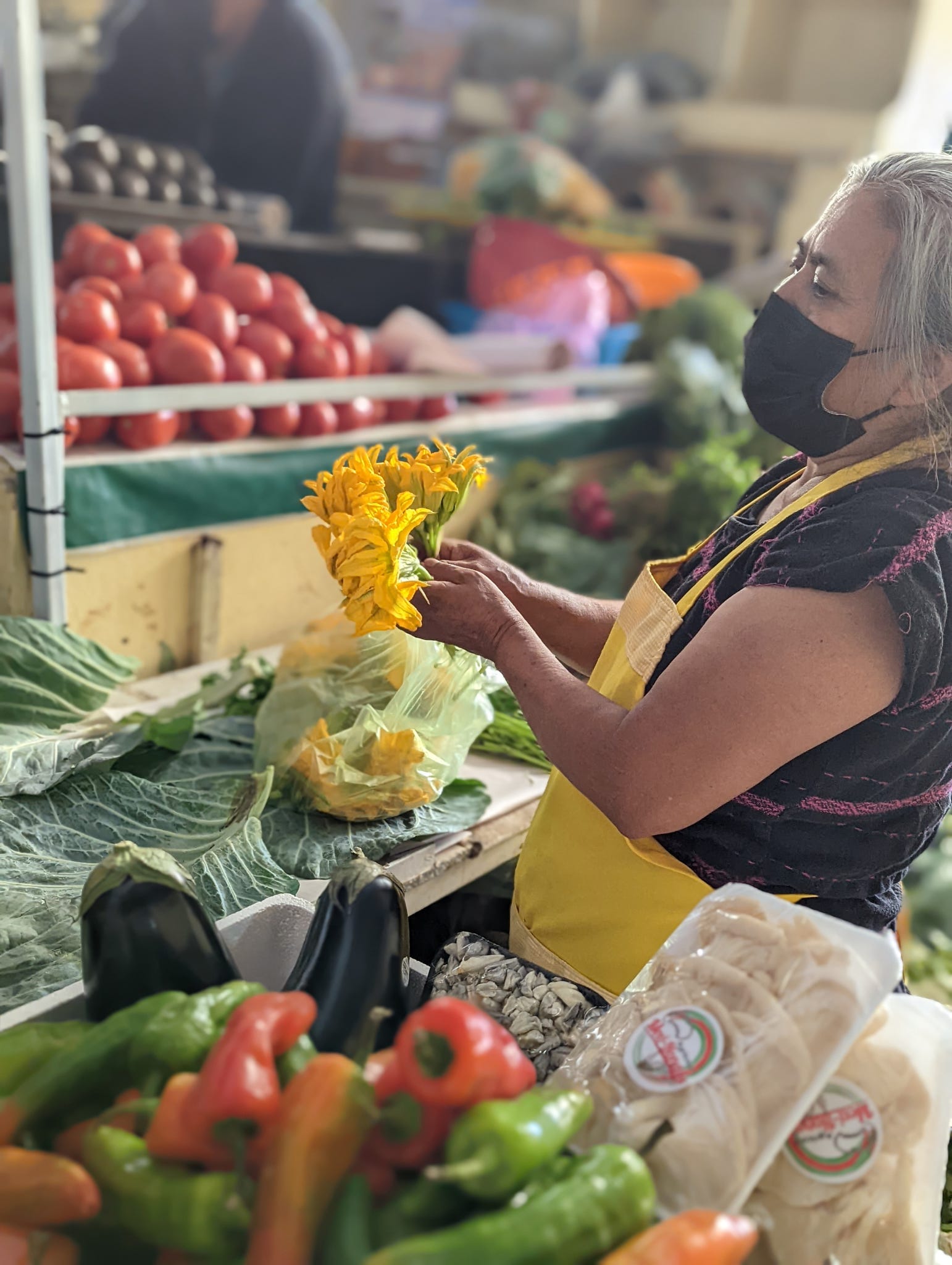
Salsa
I’m a bit of a control freak in the kitchen. I have tamed a bit as I have grown wiser. But fresh food made at home means you control the ingredients and avoid the additives—and you can skip deciphering confusing food labels altogether.
In Texas, we called it hot sauce. But since moving away in my twenties, I’ve adopted the word salsa. “Hot sauce” elsewhere usually means a thin, fiery pepper liquid you splash onto food. Salsa, by contrast, is spooned generously, scooped with chips, and layered onto meals.
On a trip to Oaxaca, we learned to make salsa the traditional way—and discovered it’s easy. Most of the ingredients are kitchen staples, with the exception of the hot pepper. If you’re missing one, it’s simple to pick it up on your next grocery run.
Right now, at the Portland Farmers’ Markets, tomatoes are everywhere—plump, multi-colored, and too beautiful to pass up. If you have them ripening where you live, buy extra. Slice them on a plate with flaky sea salt, or drizzle with olive oil, balsamic, and scatter some basil leaves. But be sure to save at least two for salsa.
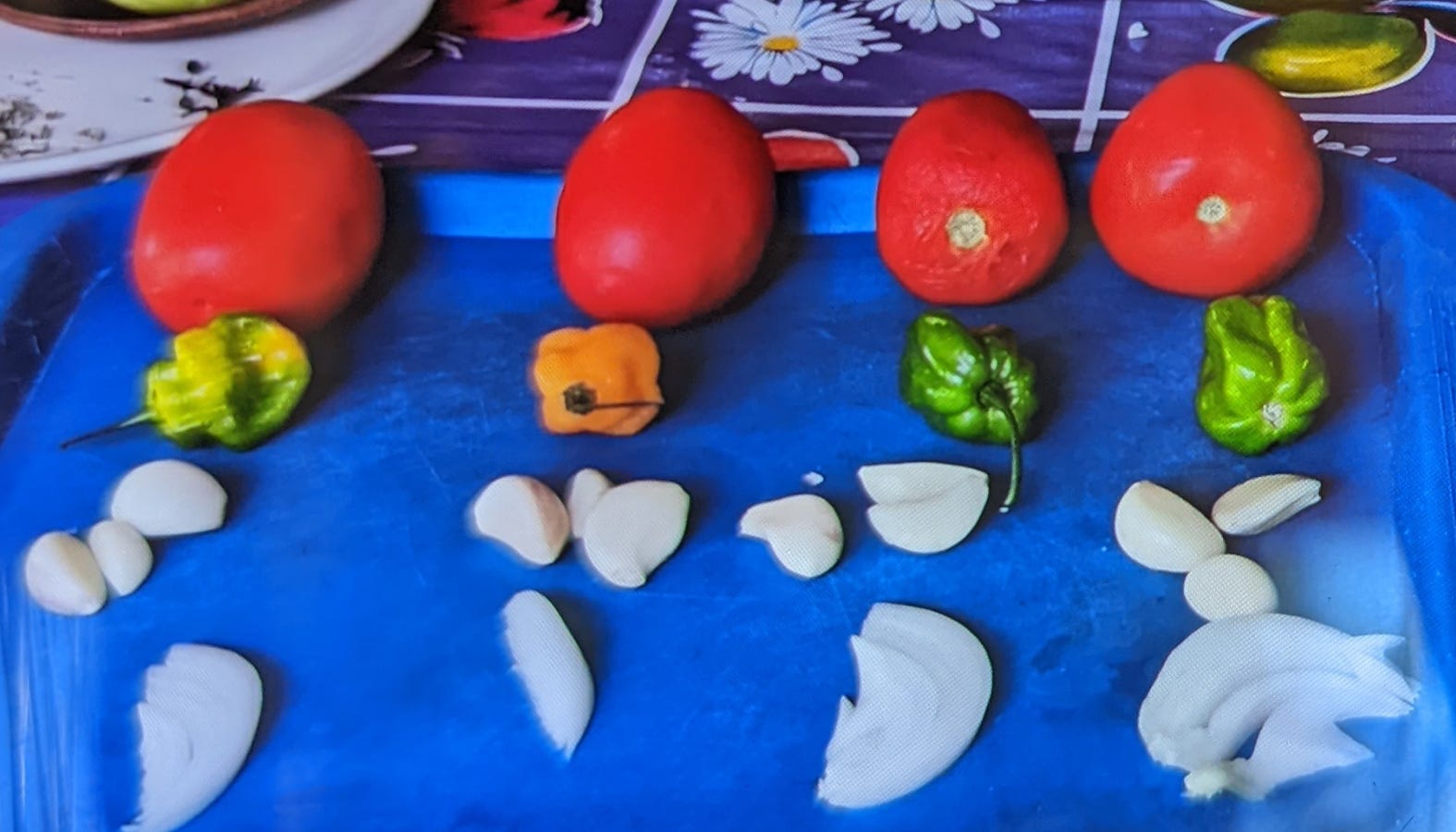
Recipe: Salsa (12 oz, 12 minutes)
Ingredients
4 small Early Girl (picture below) or 2 Roma tomatoes, stems removed
½ white onion, cut into two wedges
1 garlic clove, peeled
½ jalapeño, seeded (leave seeds for heat, but skip if kids are involved)
1 tsp sea salt
Instructions
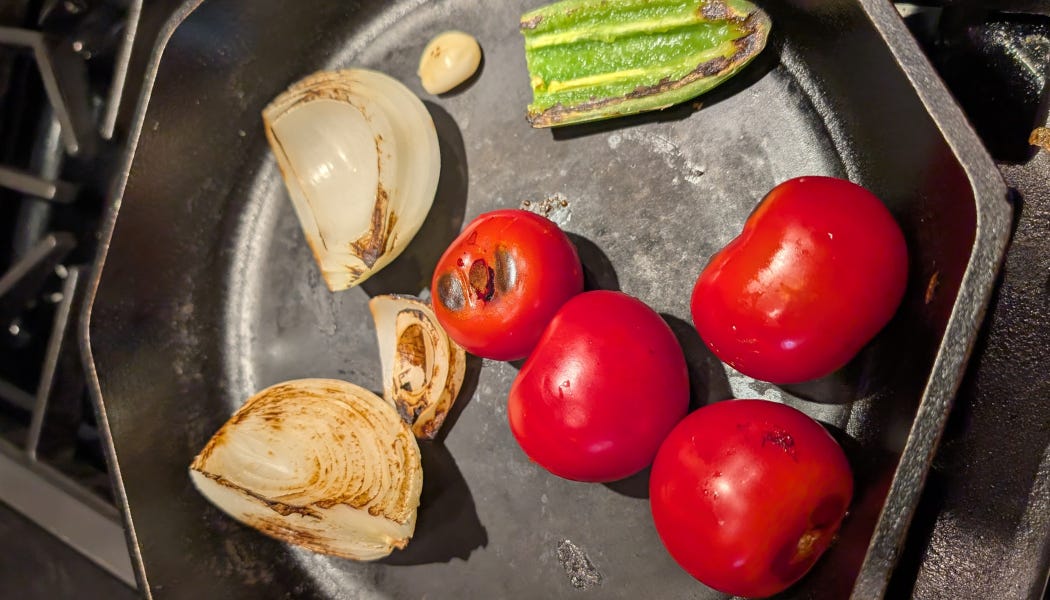
Heat a cast-iron pan. Place all vegetables separately in the pan.
After 2-3 minutes, turn each piece with tongs, ensuring the first side has developed dark brown marks. Continue until all sides are browned. (Tomatoes may roll; hold them gently until they stay put. Garlic only needs two sides browned—then transfer it to the blender to wait.)
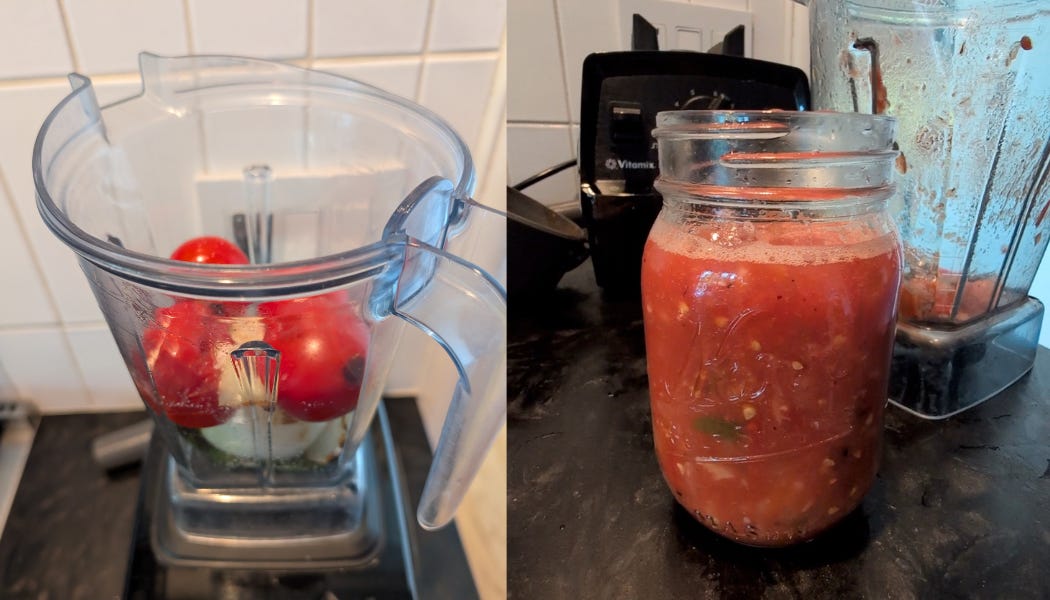
Place all ingredients into a blender. Let them cool for a couple of minutes so steam can escape. Blend on low (Vitamix Speed 2) for a chunky salsa. For smooth salsa, blend on high for 30 seconds.
Pour into a 12-ounce glass jar, then affix the lid. Refrigerate for up to 7 days.
The Secret
Browning the vegetables is the magic. It caramelizes the sugars and gives salsa its personality.
Effort deserves reward—so grab a chip, taste your creation, and savor the satisfaction of making it yourself. Spoon it over beans, tacos, fajitas, quesadillas, scrambled eggs, or whatever your taste buds crave.
Homemade salsa: fewer bottles, more flavor, and a step closer to owning your relationship with food.
We've got all the stuff growing in the garden right now, I'm going to do it today! Thanks for the tip about browning in the pan, I like that better than oven because you can watch the roasting happening. :)